

After weeks of following her eye care routine, low-iodine diet, exercise plan, and emotional management techniques, Olive was ready to start medication to treat her Graves’ disease and TED. Dr. Carter called her in for an appointment to prescribe her first medicine, and Olive arrived with Bluto by her side, feeling a mix of excitement and nervousness. She had worked so hard to adjust her lifestyle—cutting out high-iodine foods, sleeping more, avoiding smoky places, and practicing meditation—and she was eager to see how medication would speed up her recovery. “Olive, you’ve been doing an amazing job with the lifestyle changes,” Dr. Carter said, smiling as he reviewed her latest blood work. “Your energy levels are up, your eye discomfort has improved, and your stress levels are lower. Now, it’s time to add medication to help slow down your overactive thyroid—the root cause of all your symptoms.”
Olive leaned forward, her hands clasped together. “I’m ready,” she said, but her voice trembled slightly. “But I’m a little scared about taking medication. Will it have side effects? Do I have to take it forever?” Dr. Carter nodded, his expression gentle and reassuring. He understood that many patients felt anxious about long-term medication, especially when they didn’t know what to expect. “I’m going to prescribe you a medicine called Methimazole,” he explained, writing the prescription on a piece of paper. “It’s an anti-thyroid drug, which means its main job is to slow down your thyroid gland and stop it from producing too much hormone. This is the foundation of your treatment—it will help calm your overactive immune system, reduce your fast heartbeat and shaky hands, and support your eye recovery by addressing the root cause of your TED.”
He paused to address her concerns about side effects, knowing they were weighing on her mind. “Like all medications, Methimazole can have side effects, but most people tolerate it very well,” he said. “The most common side effects are mild—things like nausea, a slight rash, or temporary tiredness. These usually go away on their own as your body gets used to the medication. However, if you experience any severe side effects—like a high fever, sore throat, unusual bruising, or yellowing of the skin—you need to call me right away. Those are rare, but they require immediate attention. Don’t worry—we’ll monitor you closely with regular blood tests to make sure the medication is working and that you’re safe.”
Olive let out a small sigh of relief, but another question lingered. “And no, you don’t have to take it forever,” Dr. Carter said, as if reading her mind. “It’s a long-term treatment, usually 1.5 to 2 years, but not permanent. As your thyroid stabilizes and your immune system calms down, we’ll gradually reduce the dose until you can stop taking it altogether. But it’s absolutely crucial that you take it exactly as I tell you—don’t skip doses, don’t stop taking it early, and don’t change the dose on your own. If you do, your symptoms could come back, and your TED could get worse. Consistency is key here.”
Olive nodded, taking notes in a small notebook she’d brought along. “So, how do I take it?” she asked. “You’ll take one pill every morning with breakfast,” Dr. Carter said. “Taking it with food helps reduce any nausea you might feel. I’ll give you a prescription, and you can pick it up at the pharmacy downtown. Make sure you take it at the same time every day—this will help keep the medication levels in your body steady, which makes it more effective. You can set a phone alarm to remind yourself, or ask Bluto to help you remember.”
Bluto, who had been sitting quietly beside her, spoke up immediately. “I’ll help you remember,” he said, squeezing her hand. “I’ll set a phone alarm for every morning, and I’ll make you breakfast so you can take it with food, just like Dr. Carter said. I’ll even take the pill out for you so you don’t forget.” Olive smiled, feeling grateful for Bluto’s unwavering support. She knew she couldn’t have made it this far without him. “Thank you,” she said, her voice warm with appreciation. “I couldn’t do this without you.”
After leaving the doctor’s office, they went to the pharmacy to pick up the medication. The pharmacist explained how to store the pills— in a cool, dry place, away from sunlight—and reminded Olive to bring her blood test results to her next appointment. “If you have any questions or notice any side effects, don’t hesitate to call us or your doctor,” the pharmacist said. Olive nodded, tucking the pill bottle carefully into her purse.
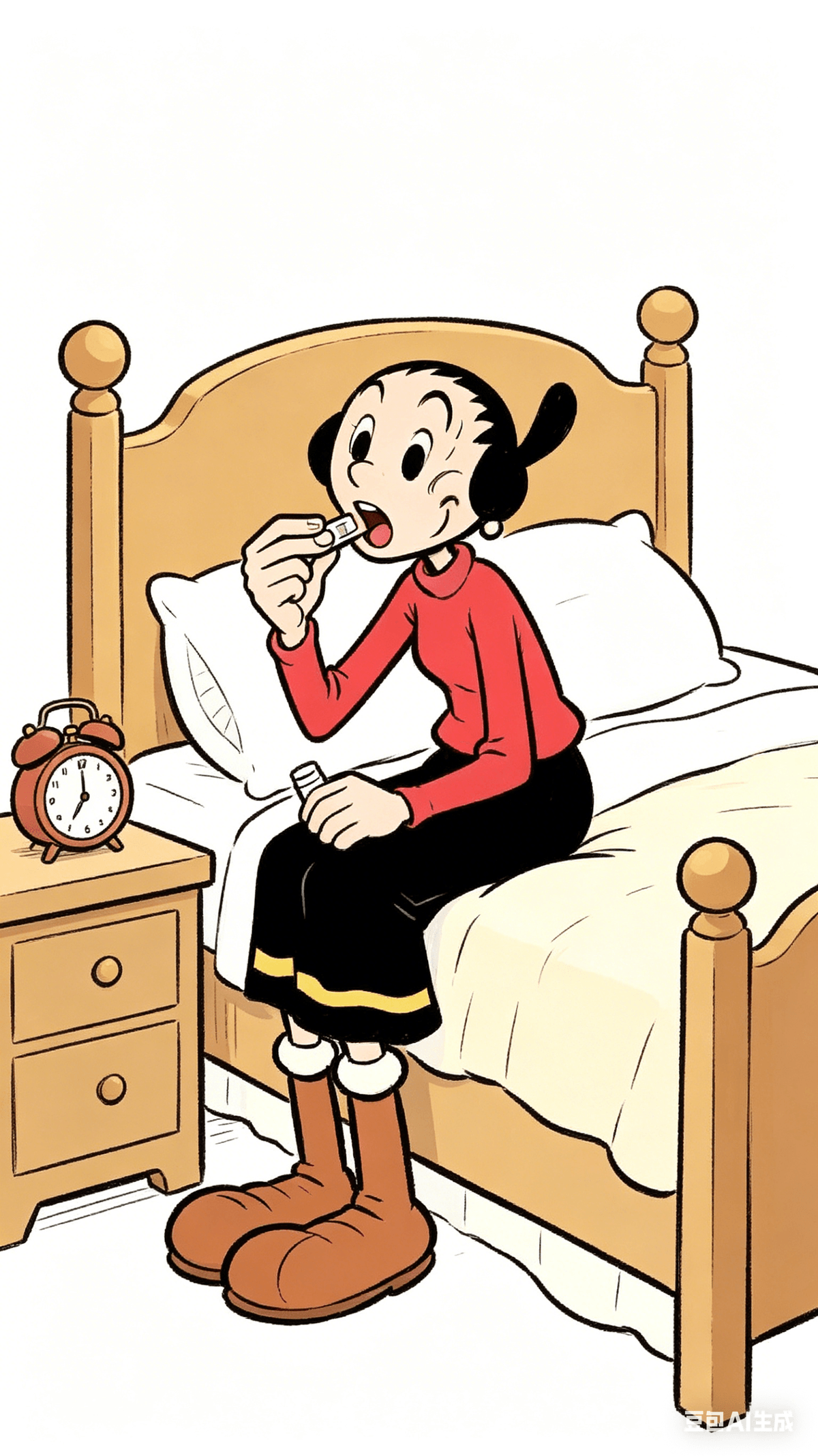
That night, Olive set her phone alarm for 7:30 a.m.—the time she usually ate breakfast. The next morning, the alarm went off, and Bluto brought her a bowl of oatmeal with walnuts and a glass of milk. “Here’s your breakfast, and here’s your pill,” he said, handing her the pill and a glass of water. Olive took the pill with a sip of water, feeling a sense of hope. “This is the first step to getting better,” she said, smiling at Bluto. “I can feel it.”
Over the next week, Olive took her Methimazole every morning without fail. She started to notice small changes—her hands shook less, her heart didn’t race as much when she walked up stairs, and she felt less “wired” at night. By the end of the month, her blood test results showed that her thyroid hormone levels were dropping, and Dr. Carter was pleased. “The medication is working, Olive,” he said. “Keep it up, and we’ll continue to monitor your progress. You’re on the right track.”
【Friendly reminder】Anti-thyroid drugs (ATDs) like Methimazole are the first-line treatment for Graves’ disease, the autoimmune condition linked to TED. They work by blocking the production of thyroid hormones, which helps calm the overactive immune system and reduce symptoms like rapid heartbeat, shaky hands, and weight loss. While long-term, they are not permanent, and most patients can stop taking them after 1.5 to 2 years of consistent use. Regular blood tests are essential to monitor hormone levels and adjust the dose as needed.