

A special sharing session called "Reborn Sailors" was held on the harbor's cultural square. Several patients who had received immune tolerance induction therapy were invited to share their treatment experiences, telling how this treatment method helped them get rid of the troubles of the disease and regain health and hope. Popeye, Olive Oyl, Bluto, and Dr. Einstein also came to the scene, listening carefully to these warm and powerful stories together with the harbor residents.

The first person to take the stage was the familiar Old Captain. Dressed in a neat nautical suit, he looked energetic, no longer tired and in pain as before, and a happy smile filled his face. "Hello everyone, I'm the Old Captain. I have been suffering from rheumatoid arthritis for five years. Once, my joints were swollen and deformed, and I couldn't even hold the helm or tie ropes. I had to give up my beloved sailing career, tormented by pain every day. I even had negative emotions, thinking I would never go to sea again in my life."
The Old Captain raised his hand to touch his joints, his eyes full of emotion: "I have tried many treatment methods and taken a lot of immunosuppressants. Although they can relieve a little pain, my immunity is getting worse and worse. I often catch colds and fevers, and even going out has become a luxury. Later, on the recommendation of Popeye and Dr. Einstein, I participated in a clinical study of immune tolerance induction therapy. I took oral joint synovial antigen preparations every day without interruption."
"In the first two months of treatment, I didn't feel any obvious changes, and I was very anxious, even thought about giving up," the Old Captain said with a smile. "Popeye came to encourage me every day, saying that just like he eats spinach every day to build strength, you can't be in a hurry. The 'training' of the immune patrol also takes time. Sure enough, after insisting on treatment for 6 months, my joint pain was significantly relieved, the swelling gradually subsided, I could slowly move my joints, and even hold the helm again. Now, I can go out fishing occasionally and regain hope for life. All these changes are brought by immune tolerance induction therapy."
Warm applause broke out from the audience. Bluto couldn't help standing up and shouting: "Old Captain, you're amazing! I knew this treatment method would definitely help you!" The Old Captain nodded with a smile, and when he stepped down, he held Popeye's hand tightly, his eyes full of gratitude.
The second sharer was Lena, Olive Oyl's cousin. Today, she was dressed youthfully and beautifully, with bright eyes, no longer inferior and silent as before, and a youthful smile on her face. "Hello everyone, I'm Lena. I was diagnosed with multiple sclerosis when I was 18. Once, I was troubled by dizziness and numbness in my hands and feet every day, my eyesight was getting more and more blurred, and I even walked unsteadily. I was worried that I would be paralyzed, fell into despair for a time, and even didn't dare to go out to meet people."
Lena looked at Olive Oyl beside her, her eyes full of warmth: "It was Olive Oyl who kept encouraging me, took me to meet Popeye and Dr. Einstein, and let me know about immune tolerance induction therapy. At the beginning of the treatment, I was very scared, worried that it would not work, and also worried about side effects. But after a period of treatment, I found that my dizziness was relieved, my hands and feet gradually regained feeling, and my eyesight was also recovering."
"I received subcutaneous injection of nerve myelin antigen preparations, combined with rehabilitation training. I exercised every day and received treatment on time," Lena continued. "After insisting on treatment for 8 months, I can go to school and live a normal life, and even walk and chat with friends. I no longer have to live in fear. This treatment did not reduce my immunity, nor did it have obvious side effects. It made me see hope again. Finally, I can chase my dreams like a normal girl."
The third sharer was Tommy's mother, who brought the recovered Tommy to the scene. Today's Tommy was lively and active. He hopped onto the stage, holding a small spinach doll in his hand, waving his fist imitating Popeye. "Hello everyone, I'm Tommy's mother. I still remember half a year ago, Tommy was diagnosed with childhood systemic lupus erythematosus. He had repeated rashes, fevers, and fatigue, and couldn't go to kindergarten normally. The whole family fell into anxiety."
Tommy's mother's eyes were slightly red: "I was worried that traditional immunosuppressants would affect the child's growth and development, so I didn't dare to let him take them for a long time. Later, the doctor recommended immune tolerance induction therapy. After 4 months of oral antigen preparation treatment, Tommy's rashes subsided, he no longer had fevers, and his energy became more and more abundant. Now he can go to kindergarten normally, play and study with other children, and his height and weight are growing normally. Seeing the child become lively and cheerful again, I am really grateful for this treatment method."
The last sharer was Jack, a young fisherman. He had been suffering from type 1 diabetes for many years and needed to inject insulin every day. He was worried that long-term injection would affect his body and once lost confidence in life. "After receiving immune tolerance induction therapy, by inducing the immune system to protect pancreatic beta cells, the amount of insulin I used was reduced. Now I no longer need to inject insulin every day, I can work and live normally, and go out fishing as before. I am no longer troubled by diabetes."

After listening to these stories, Bluto was deeply moved: "It turns out that this treatment method can really help people get rid of pain and regain health." Popeye nodded: "The stories of these patients tell us that as long as we insist on treatment and believe in science, we will definitely defeat the disease. Just like I never give up when I encounter difficulties, as long as I eat a bite of spinach, I can be full of strength. These patients also defeated autoimmune diseases with persistence and courage."
Science behind
Mechanisms and Related Therapeutic Approaches
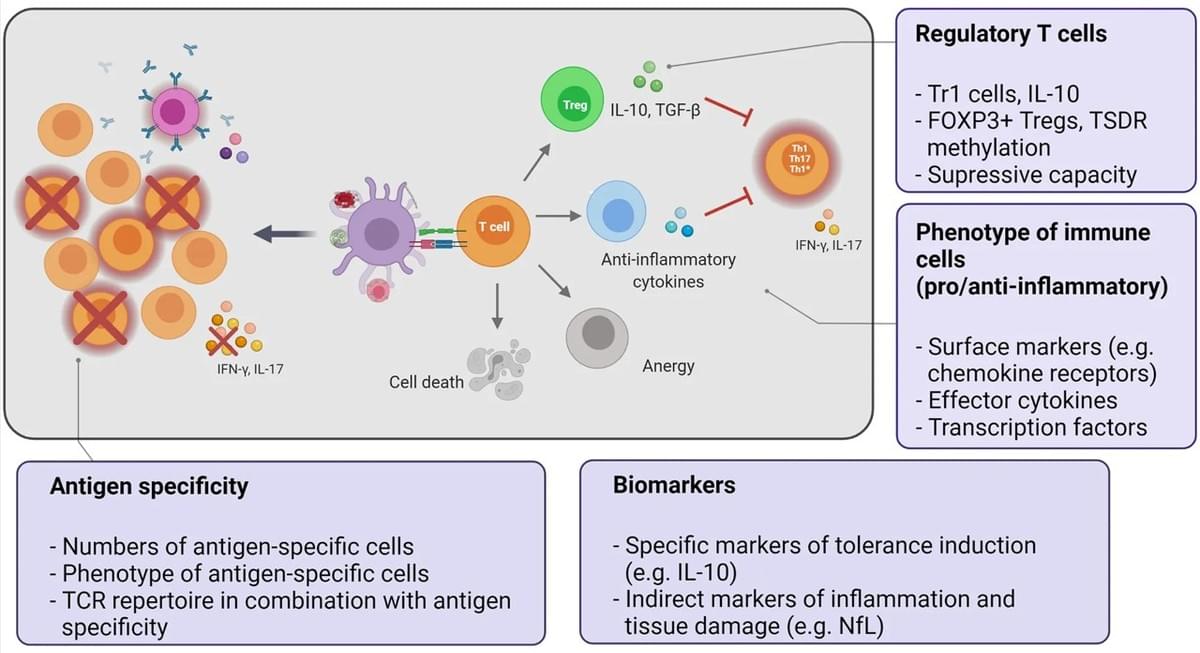
I. Professional Mechanism Interpretation
Among the mechanisms of peripheral immune tolerance, one is the "ignorance" of self-antigens by the immune system: either because anatomical barriers limit antigen access (e.g., the blood-brain barrier), or because the concentration of self-antigens is too low, or the expression of human leukocyte antigen (HLA) molecules is limited or absent. In multiple sclerosis (MS), although CD4+ T cells specific for myelin basic protein (MBP) are mainly derived from the naive T cell repertoire and have high antigen avidity, these cells lack the adhesion molecules and chemokine receptors necessary for homing to target organs and cannot exert pathogenic effects. In addition, activation of T cells in the absence of costimulatory signals results in a state of unresponsiveness, referred to as anergy, which is also an important way to achieve peripheral immune tolerance.
The key to the core regulatory mechanism of monitoring immune tolerance is the immune tolerance induction strategy: delivering autoantigens to tolerogenic antigen-presenting cells through various methods to induce or enhance peripheral immune tolerance. Its potential tolerance mechanisms include two types: first, directly eliminating or silencing autoreactive immune cells; second, indirectly suppressing autoreactivity by inducing regulatory T cells and prompting effector T cells to secrete immunomodulatory cytokines (i.e., immune deviation). The final effect is to reduce pathogenic autoreactive effector cells (Th1/Th17/Th1* types), thereby preventing the immune system from attacking its own tissues.
Docampo MJ, Lutterotti A, Sospedra M and Martin R (2022) Mechanistic and Biomarker Studies to Demonstrate Immune Tolerance in Multiple Sclerosis. Front. Immunol. 12:787498. doi: 10.3389/fimmu.2021.787498
II. Easy-to-understand
This "self-protection mechanism" of peripheral immune tolerance is mainly achieved through three simple and understandable ways, which can also explain the pathogenic characteristics of some autoimmune diseases:
1. "Invisible and inaccessible": Some body tissues (such as the brain) are protected by barriers, self-antigens are hidden deeply with low concentrations, or there are too few molecules required for immune cells to recognize self-components, so the immune system simply "does not find" these self-components and naturally does not launch an attack.
2. "Unable to reach even if wanting to attack": In autoimmune diseases such as multiple sclerosis, some T cells can originally recognize self-proteins (such as myelin basic protein), but they lack the "navigation system" (adhesion molecules and chemokine receptors) to locate target organs (such as the brain). Even if they want to cause trouble, they cannot reach the target position and cannot cause damage.
3. "Shut down directly without a 'refueling signal'": Activation of immune cells requires dual signals. If only self-antigens are recognized but there is no second costimulatory signal, these immune cells will enter a state of "anergic dormancy" and no longer exert an attack effect, thereby avoiding attacking themselves.
III. Therapeutic Approaches
For autoimmune diseases (such as multiple sclerosis), the core therapeutic idea of scientists is to artificially induce immune tolerance. Specifically, there are three simple ways, with a consistent final goal:
1. Gentle guidance: "Mildly" deliver autoantigens to immune cells, allowing the immune system to gradually learn to "not attack itself";
2. Direct inhibition: Directly silence or eliminate the pathogenic immune cells that attack the body itself;
3. Indirect regulation: Cultivate "immune police" such as regulatory T cells, or make immune cells switch to secrete anti-inflammatory factors to suppress the excessive response of the immune system.
The final goal of the above three methods is to reduce the pathogenic autoreactive cells that attack the body's own tissues, thereby controlling inflammation, relieving symptoms, and helping the immune system return to its normal state of "not attacking itself".
All content on this account is for health education and popularization purposes only. It does not constitute medical advice, diagnosis, or treatment plans in any form, nor does it replace in-person medical services provided by licensed physicians.